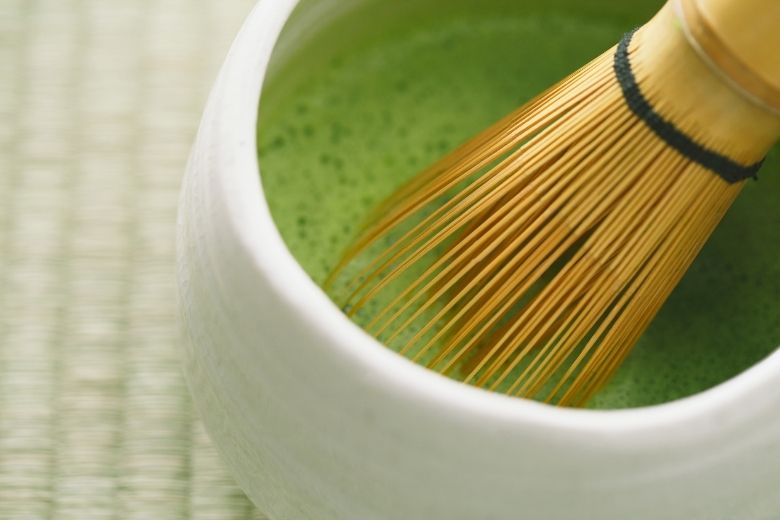
White tea may look light and delicate, but don’t let its appearance fool us—it’s a quiet powerhouse. Among all true teas, white tea is the least processed. It’s made from the young buds and tender leaves of the Camellia sinensis plant and dried with minimal oxidation. This gentle approach preserves high levels of catechins (especially EGCG) and L-theanine, along with a modest dose of caffeine—resulting in a tea that moves through our body gently but powerfully.
1. Metabolic Boost – Subtle, Yet Steady
White tea may not feel as bold as black tea or as energizing as coffee, but beneath the surface, it activates key metabolic functions:
Increases fat breakdown and prevents new fat cell formation
Boosts resting metabolic rate by an estimated 4–5%
Combines EGCG + caffeine for a synergistic fat-burning effect
Supports liver detox pathways and bile secretion
Because white tea is often brewed lightly and has a gentle caffeine profile, its effects may feel subtle—but its bioactive compounds are doing steady work behind the scenes.
2. Functional Benefits Across Body Systems
Thanks to its rich antioxidant profile, white tea supports your health in multiple ways:
Gut & microbiome support – Promotes the growth of beneficial bacteria (like Bifidobacteria)
Skin health – May help slow skin aging and improve skin barrier function
These benefits come from the high content of polyphenols, flavonoids, and L-theanine, which not only protect your cells but also calm your nervous system.
3. Timeline: How White Tea Travels Through Your Body
Time
Where
What’s Happning
0–5 sec
Mouth
Catechins and fluoride interact with saliva; tea tastes light and sweet
5–10 sec
Esophagus
Polyphenol film gently coats the mucosa—non-irritating
10 sec – 30 min
Stomach
Caffeine is slowly absorbed; catechins remain stable in weak acidity
30 min – 2 hr
Small Intestine
~60% of catechins absorbed; L-theanine enters bloodstream and peaks in 30 min
Antioxidant and anti-inflammatory activity at peak; supports microcirculation
3–6 hr
Kidneys
Gently diuretic; helps flush out toxins without disrupting electrolytes
6–24 hr
Colon
Unabsorbed polyphenols regulate gut microbiota; support barrier integrity
4. How It Feels in Your Body
White tea is often described as “calm clarity in a cup.” Its low caffeine and high L-theanine content promote:
Relaxed alertness – A mental state where you’re awake but not wired
Gentle digestion – Low tannins mean it’s easy on sensitive stomachs
Smooth energy flow – No jitters, no crash
Comforting warmth – Ideal for mid-morning or early evening
Its naturally sweet, floral, or hay-like flavour complements the experience of feeling light, clear, and clean on the inside.
When to Sip
Mid-morning — to flow into our day with clarity
Early evening — to wind down without feeling drowsy
After meals — to support digestion, especially with lighter foods
During work — for calm focus, without overstimulation
Final Thought
White tea flows through your body like a gentle stream—nourishing, balancing, and quietly powerful. Whether you’re looking to support your metabolism, ease inflammation, or simply enjoy a peaceful tea ritual, white tea is a perfect companion.
It’s not just about what you feel immediately—but how it supports your body long after the cup is empty.
Healthline. White Tea vs Green Tea: Which Is Healthier?
McKay, D.L., & Blumberg, J.B. (2002). The Role of Tea in Human Health: An Update.Journal of the American College of Nutrition.
Zhao, L., et al. (2021). White Tea Catechins and Their Role in Anti-Adipogenesis.Journal of Nutritional Biochemistry, 93: 108613.
Lin, S., et al. (2022). Antioxidant and Anti-Inflammatory Properties of White Tea Polyphenols.Food & Function, 13(4), 2299–2310.
Wang, Y., et al. (2023). Unique chemical composition and health effects of white tea.Food Chemistry, 405(Pt A):134798. DOI:10.1016/j.foodchem.2022.134798
陈宗懋 等 (2023). 《中国白茶》. 中国农业出版社
Li, S., et al. (2024). White tea polyphenols modulate gut microbiota and intestinal barrier function.Gut Microbes, 16(1):2290664. DOI:10.1080/19490976.2023.2290664