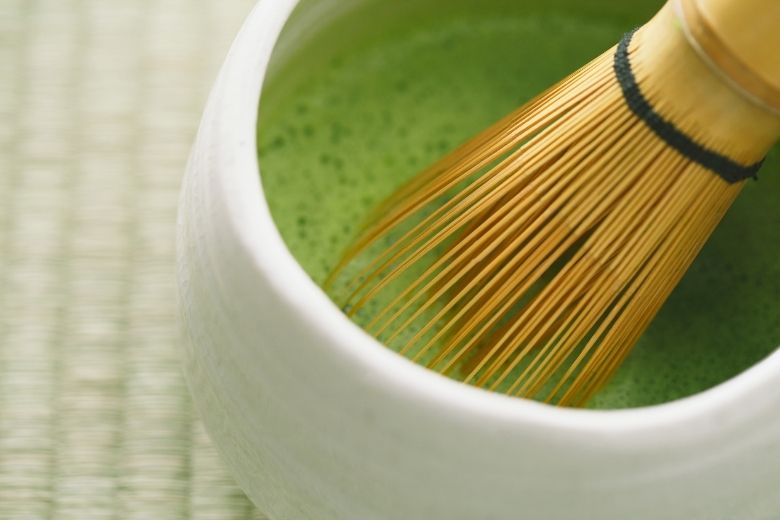
At TEATUNE, we believe tea is a soft melody that plays through our body, tuning each system into balance. Especially green tea. Its story is one of ancient purity and modern wellness, working quietly yet powerfully — from the first sip to the final breath.
Why Green Tea?
Though it shares roots with black tea, green tea dances to a different tune — less oxidised, more alive. Its vivid green leaves retain more of the plant’s original compounds, which is why wellness lovers have cherished it for centuries.
What’s Inside a Cup of Green Tea?
Think of it as a trio in perfect harmony:
- Catechins (especially EGCG): Powerful antioxidants that protect our cells and rev up metabolism
- Caffeine: Gentle stimulation that lifts, without jitters
- L-Theanine: The calm that sharpens focus — like background music for our brain
The Journey: How Green Tea Flows Through Us
Let’s follow a cup of TEATUNE green tea — from our first sip to its final ripple through our body:
| Time | Where | What’s Happening |
| 0–5 sec | Mouth | Catechins awaken umami sensors; saliva is stimulated; fluoride begins to protect our teeth. |
| 5–10 sec | Esophagus | A smooth passage — always sip below 60°C to avoid irritation (World Health Organization, 2016). |
| 10 sec–30 min | Stomach | Caffeine starts absorbing (~20%); catechins begin breaking down. |
| 30 min–2 hrs | Small Intestine | 90% of caffeine absorbed into bloodstream; L-theanine reaches the brain; EGCG binds bile acids, boosting antioxidant activity. |
| 1–3 hrs | Liver | Caffeine is metabolised; EGCG activates detox enzymes via the Nrf2 pathway (Williamson et al., 2021). |
| 1–6 hrs | Bloodstream | EGCG neutralises free radicals; supports healthy blood sugar levels. |
| 3–6 hrs | Kidneys | Tea polyphenols help flush out toxins with a gentle diuretic effect. |
| 6–24 hrs | Colon | Unabsorbed catechins feed gut flora and gently suppress harmful bacteria. A quiet symphony for our microbiome. |
Feel the Flow: Key Moments to Notice
Let our senses guide us. These are the moments when tea subtly shows its magic:
- 5 minutes in: A lift of gentle alertness from caffeine
- 30 minutes: L-theanine tunes our mind — focused, calm, inspired
- 2 hours: EGCG is at its peak — antioxidant protection and metabolic support
- 6 hours: Caffeine has left the stage; our body settles into soft rhythm
TEATUNE Timing Tips
| Tip | Why It Matters |
| After meals | Especially with darker teas like Pu-erh — supports digestion |
| Mid-morning or mid-afternoon | Green tea shines here — clear mind, calm body |
| Avoid on an empty stomach | Some may feel nausea or acidity |
| Max 400mg caffeine daily | That’s ~8 cups of green tea — sip with balance |
Our body Is Listening. Let Tea Be the Tune.
Green tea works in gentle waves: refreshing the mind, nourishing our microbiome, sweeping through the bloodstream like a quiet cleansing breeze.
Let each sip be a note in our personal tea symphony.
👉 Explore More on Tea & The Body
💌 Subscribe for TEATUNE Tips
References
- Healthline Editors. (2022). Green Tea Benefits. healthline.com
- UCLA Health. (2020). Green Tea and Metabolism
- Williamson, G. et al. (2021). Polyphenols in Modern Nutrition. Nutrition Bulletin, 46(3), 217–254
- Nehlig, A. (2022). Caffeine and Brain Function. Pharmacological Research, 175, 106034
- McKay, D.L. & Blumberg, J.B. (2002). The Role of Tea in Human Health. Journal of the American College of Nutrition
- Li, X. et al. (2020). EGCG and Its Effects on Human Metabolism. Food Research International
- Chinese Nutrition Society. (2013). Chinese Food Composition Table (2nd Ed.)
- World Health Organization. (2016). IARC Monographs Vol. 116
