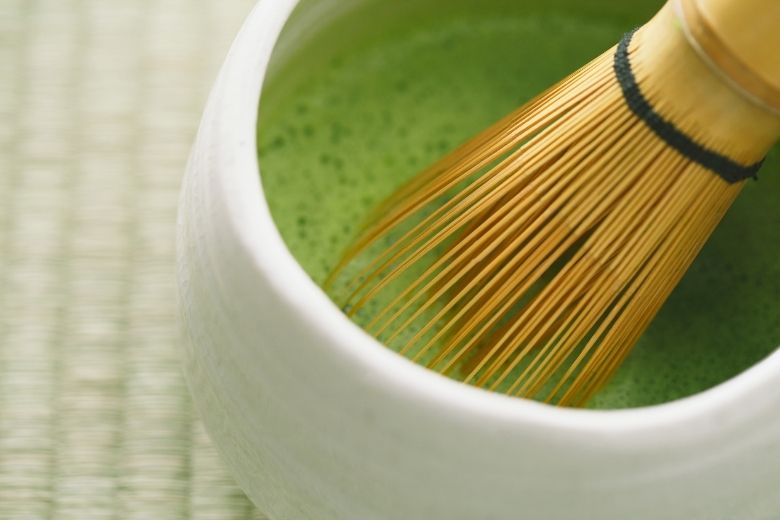
Around the world, tea is not just a cultural treasure — it’s a recommended beverage for better health. From traditional medicine cabinets to modern public health campaigns, tea is embraced for its ability to hydrate, soothe, and protect.
At TEATUNE, we celebrate this global wisdom. Below is a look at how different countries guide their citizens on enjoying tea wisely — in both quantity and quality.
Tea Recommendations by Country
Below is a snapshot of national guidelines and traditional insights from 17 tea-appreciating countries:
| Country | Recommended Teas | Suggested Intake | Notes | Most Embraced |
| China | Green, Oolong, Pu-erh | 1–2 cups (300–500 ml) | Avoid strong tea on an empty stomach | Green tea |
| Japan | Green, Matcha, Hojicha | 3–5 cups (~600 ml) | Avoid with iron supplements | Green tea |
| USA | Green, Herbal (unsweetened) | Up to 5 cups (~1.2 L) | Prefer over sugary drinks | Green tea |
| UK | Black, Green, Herbal | 6–8 cups (1.5–2 L) | Choose sugar-free; watch caffeine in pregnancy | Black tea |
| Australia | Green, Native Herbal | ≤7 cups (~1.7 L) | Caffeine caution during pregnancy | Green tea |
| India | Masala Chai, Turmeric | 2–3 cups | Reduce sugar and condensed milk | Masala Chai |
| Germany | Herbal, Black | ≤4 cups (~1 L) | Watch iron absorption | Herbal tea |
| South Korea | Green, Barley, Pu-erh | 2–3 cups (~500 ml) | Avoid pairing with salty foods | Green tea |
| Netherlands | Green, Black (unsweetened) | Up to 3 cups | Counts toward daily fluid intake | Green/Black tea |
| Switzerland | Black, Green (unsweetened) | ~3 cups | Favour sugar-free options | Black/Green tea |
| Luxembourg | Black, Green | Moderate | Avoid sweetened tea | Black/Green tea |
| Austria | Black, Green (caffeinated) | 3–4 cups | Enjoy in moderation | Black/Green tea |
| Portugal | Caffeinated Teas | ≤300 mg caffeine/day | Limit total caffeine | Green/Black tea |
| Romania | Unsweetened Tea | 2–2.5 L fluids/day | Sweetened tea not counted as hydration | Green/Black tea |
| Slovenia | Unsweetened Teas | ~2 L fluids/day | Limit caffeine and sweeteners | Unsweetened tea |
| Slovakia | Unsweetened Teas | ~2 L fluids/day | Limit caffeine and sweeteners | Unsweetened tea |
| Finland | Coffee & Tea (no sugar) | 1–1.5 L from drinks/foods | Encourage sugar-free drinks | Black/Green tea |
Curious why tea is globally recommended for wellness?
➤ Read next: “Why Do So Many Countries Recommend Tea?”
Ready to Find Our Rhythm?
Browse TEATUNE Wellness Teas
→ Explore our best-sellers
Learn How Tea Supports Our body
→ Read Tea & The Body
🛒 Build Our Own Tea Symphony
→ Start Customising
References
- European Food Safety Authority (EFSA). (2010). Scientific Opinion on the substantiation of health claims related to tea catechins and protection of blood lipids from oxidative damage. EFSA Journal, 8(4), 1–18. https://doi.org/10.2903/j.efsa.2010.1538
- Japanese Ministry of Health, Labour and Welfare. (2022). Dietary Guidelines for the Japanese. https://www.mhlw.go.jp
- USDA Dietary Guidelines for Americans, 2020–2025. (2020). https://www.dietaryguidelines.gov
- Public Health England. (2019). Healthy Eating Recommendations. https://www.nhs.uk/live-well/eat-well/
- Indian Council of Medical Research (ICMR). (2020). Dietary Guidelines for Indians. https://www.nin.res.in
- Korean Ministry of Food and Drug Safety. (2021). Nutrition and Functional Food Information. https://www.mfds.go.kr
- Australian National Health and Medical Research Council (NHMRC). (2013). Australian Dietary Guidelines. https://www.nhmrc.gov.au
- German Nutrition Society (DGE). (2020). Tea Consumption and Health Recommendations. https://www.dge.de
- Dutch Nutrition Centre (Voedingscentrum). (2020). Hydration Guidelines. https://www.voedingscentrum.nl
- Swiss Society for Nutrition. (2019). Balanced Beverage Choices. https://www.sge-ssn.ch
- Finnish Institute for Health and Welfare. (2022). Diet and Nutrition Recommendations. https://thl.fi/en
- WHO. (2023). Hydration and Healthy Beverage Choices. https://www.who.int
