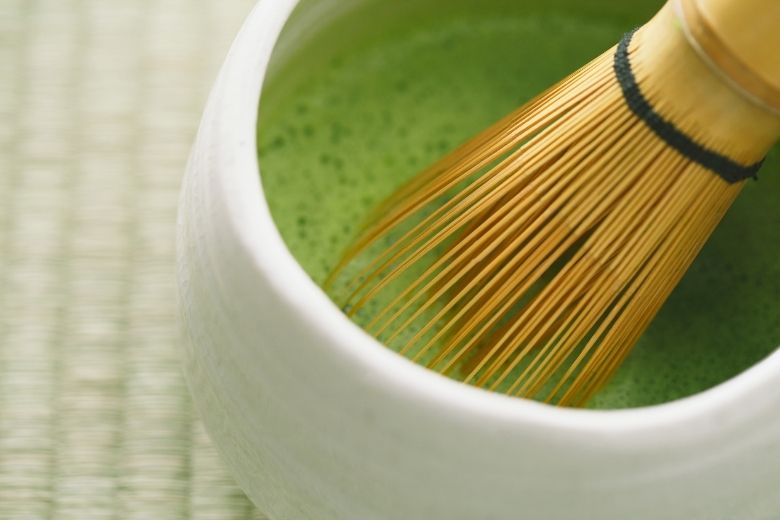
At TEATUNE, we believe that every steep deserves a worthy companion — not just in flavour, but in form. Our teaware is more than just a pretty cup; it’s an essential part of our tea ritual, influencing safety, aroma, taste, and temperature.
Let’s explore how to choose the best vessel for a clean, safe, and satisfying brew.
Why the Right Teaware Matters
From clay pots to iced tumblers, each material carries its own story — and risk. The wrong teaware can:
Alter the taste with metallic or chemical undertones
Leach unsafe substances like BPA or lead
Crack or shatter from sudden temperature changes
Cause burns or cooling issues from poor heat insulation
A safe, flavour-neutral vessel lets our tea speak — and protects our well-being.
A Teaware Material Guide: The Good, The Cautious, and The Avoid
Material
Safe for Hot/Cold?
Temp Range
Notes
Borosilicate Glass
✅ Yes
-20°C to +150°C
Great for hot or iced tea; crystal clear with no flavour transfer
Glazed Porcelain (lead-free)
✅ Hot only
Up to +160°C
Non-porous and elegant; avoid freezing
Food-Grade Stainless Steel 304/316
✅ Yes
-40°C to +300°C
Durable, safe for thermoses and infusers
Yixing Clay (unglazed)
⚠️ Hot only
Max +100°C+
Beautiful for gongfu brewing, but fragile with ice or sudden heat shifts
Tritan™ or Baby-Grade PP Plastic
✅ Yes
-20°C to +100°C
BPA-free; safe for cold brew jugs and sippy-safe bottles
Everyday Glass (non-borosilicate)
❌ No
Prone to cracking
Not safe unless explicitly marked heat-resistant
Painted Ceramics (unlabeled)
⚠️ Caution
Unknown
May contain heavy metals in glazes; not for daily use
Plastic (unknown composition)
❌ Avoid
—
Often leaches chemicals under heat or acidity
Cold Brew with Confidence
Love a chilled infusion? Make sure our vessel can handle it.
To safely brew or serve tea with ice, our teaware should tolerate -20°C to +120°C. Recommended options include:
Borosilicate glass mugs and bottles
BPA-free Tritan™ jugs
Double-walled iced tea tumblers
⚠️ Avoid pouring boiling water into a cold glass — always let it cool slightly first.
Brewing Safety
Brewing temperatures vary by tea type (see earlier Brewing Guide)
Always choose teaware clearly labelled “heat-safe” or “freezer-safe”
Handle With Care
A good brew shouldn’t end with a cracked cup or burnt fingers. Keep our tea experience smooth and safe:
Use mugs with handles or insulation
Never expose thin glass to sudden heat or ice
Let hot brews cool a moment before pouring into cold vessels
Double-check manufacturer temperature guidelines
Cleaning & Longevity Tips
Wash glass and porcelain with warm, soapy water
Avoid harsh scrubbers that could damage glazes or coatings
Air-dry fully before storage to prevent odours or mould
Wash seals and lids of cold brew containers thoroughly
Ready to Find Our Perfect Brew Companion?
Explore our Tea Essentials Collection featuring heat-safe, travel-ready, and visually stunning teaware — all curated for safe, flavourful steeping.
References
World Health Organization. (2020). Safe Drinking Temperature Recommendations.
FDA. (2021). Lead and Cadmium in Ceramicware.
SGS Testing Lab. (2023). Thermal Resistance Ratings for Borosilicate and Tritan™ Materials.
EFSA. (2015). Plastic Safety in Food-Grade Applications.
World Tea News. (2020). Teaware Material Safety Report.