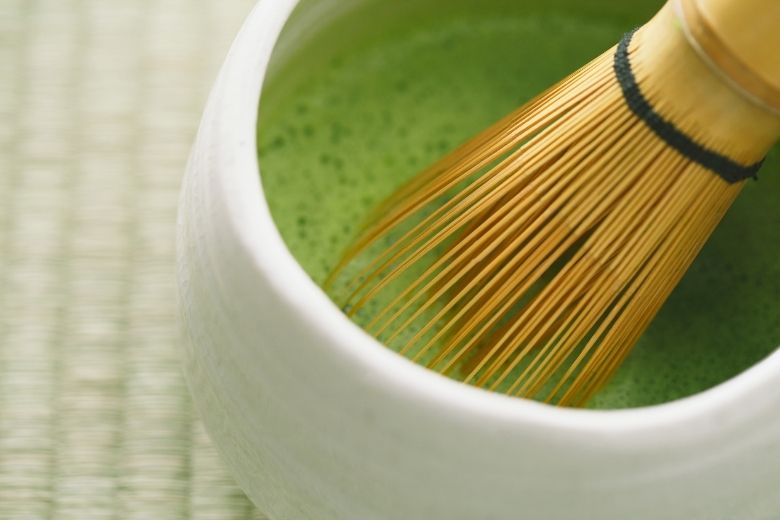
At TEATUNE, every sip is more than taste — it’s a carefully composed blend of science and soul. What gives tea its power to calm, energise, refresh, and restore? Let’s take a closer look at the elements in our teacup that make this everyday ritual so extraordinary.
The Big Three: Nature’s Wellness Trio
1. Tea Polyphenols (Especially Catechins)
These powerful plant compounds are natural antioxidants — our internal clean-up crew.
Catechins like EGCG (epigallocatechin gallate) are known for supporting metabolism and immune function.
They help reduce oxidative stress, supporting heart, skin, and cellular health.
Especially abundant in green tea.
Source: Chen et al., 2020; Khan & Mukhtar, 2013
2. L-Theanine
Found almost exclusively in tea leaves, L-theanine is a naturally occurring amino acid that:
Promotes calm clarity without drowsiness
Helps balance the stimulating effects of caffeine
Supports focus and reduced anxiety
Source: Juneja et al., 1999; Camfield et al., 2014
3. Caffeine (Yes, in Tea Too!)
While tea has less caffeine than coffee, it works in harmony with L-theanine to:
Sharpen alertness
Support mental performance
Deliver gentler, sustained energy
Source: Haskell et al., 2005; Bryan, 2008
Plus… Bonus Players
Vitamins (like C, E, B complex): Support immune and nervous system health
Minerals (potassium, magnesium, zinc): Help maintain hydration and support metabolism
Flavonoids: Improve blood vessel function and combat inflammation
Aromatic Oils: Add uplifting scent and unique flavour notes
These vary depending on the type of tea and how it’s grown, harvested, and brewed.
Here’s a breakdown of key bioactive components found in tea and their known benefits.
Sources: Zhong et al., 2020; Hayat et al., 2015; Liu et al., 2021.
A Final Note from TEATUNE
We don’t just select tea for taste — we harmonise every blend for wellness. Like a tuner choosing each note with care, we source teas that deliver both flavour and function.
Whether we crave calm, energy, or comfort, what’s in our cup is more than hydration — it’s a healthful habit that supports the rhythm of our life.