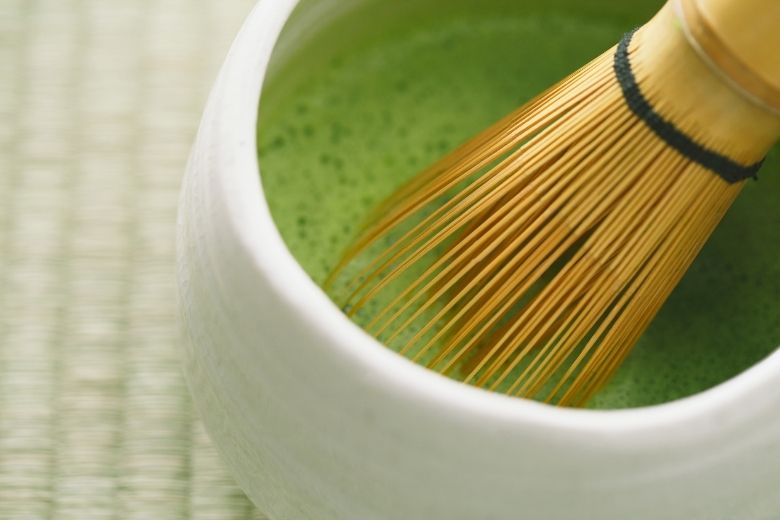
At TEATUNE, we believe every cup of tea is a quiet composition. Whether we’re new to tea or rediscovering it, learning how to taste tea mindfully is less about being an expert — and more about tuning in. It’s about noticing warmth, breath, texture, and how it makes us feel.
Why Learn to Taste Tea Mindfully?
Tasting tea is a simple act of attention. It helps us:
Discover the types of tea our body naturally loves
Discern the difference between notes — like floral vs. roasted, mellow vs. brisk
Feel the tea — not just on our tongue, but in our breath, our clarity, our calm
Appreciate each cup as a crafted moment of peace
Ready to brew our own rhythm? Explore our beginner tea blends →
Step 1: Inhale the Prelude
Before water even touches the leaves, pause. Hold the dry leaves gently, or hover over our steeping cup. Inhale deeply.
What do we smell?
Green tea — fresh-cut grass, sea breeze, blanched spinach
Aroma is the first invitation. Let it linger before we sip.
Step 2: Let the First Sip Land Gently
Let our tea cool slightly (50–60°C). Then…
Sip #1 — Awareness Feel the texture: Is it silky, thick, or astringent? Identify the taste: Sweet, umami, sharp, or mellow?
Sip #2 — Breath Take a slow breath through our nose while holding the tea in our mouth. This brings out retro-nasal aroma, where scent and taste meet in harmony.
Sip #3 — Finish Swallow slowly. Notice the aftertaste. Does sweetness bloom? Is there a cooling effect? A sense of lightness, or grounding?
✨ TEATUNE TIP: Every note matters. Sipping slowly reveals the full melody.
Step 3: Feel It Flow Through the Body
Tea isn’t just on the tongue — it moves through us.
Does it leave us calm or energised?
Is the sensation grounding or uplifting?
Does the flavour linger like a whisper, or vanish like a mist?
This is what tea lovers call mouthfeel: silky, mineral, creamy, or dry — each tea has its own body rhythm.
Use Our Own Words
We don’t need a sommelier’s dictionary. Use simple, emotional, sensory words to describe our experience:
Brew each using the same water-to-tea ratio and temperature.
Taste mindfully using the steps above.
Reflect and jot down how they differ — in taste, feeling, or mood.
We’ll be amazed how each tea tells a different story, not just to our palate — but to our whole self.
Tasting Is Not a Test — It’s a Ritual
There are no “right” answers. Tasting tea mindfully is about slowing down, coming back to our senses, and building a gentle habit of presence.
Even once a week is enough to retrain our attention. With each cup, our senses grow more curious, more confident — and our tea becomes more than just a drink. It becomes a tune we write for ourself.
Looking for our next cup? Browse TEATUNE’s single-origin blends →
References:
Gascoyne, K., & Marchand, F. (2011). Tea: History, Terroirs, Varieties. Firefly Books.
Zhang, Y., Zhao, H., & Lin, J. (2023). The sensory vocabulary of tea. Tea Research Journal, 18(2), 45–60.
Urasawa, M. (2022). Taste and Aroma Science in Japanese Teas. Kyoto Tea Studies.
China Tea Marketing Association. (2023). 《中国茶感官品鉴基础指南》.
International Tea Masters Association. (2021). Introduction to Tea Tasting Workbook.
Next in the Series → How Green Tea Flows Through the Body →