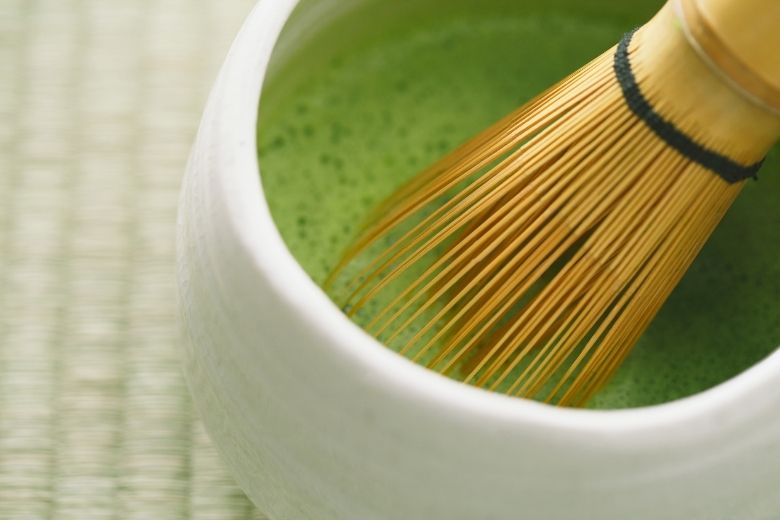
For thousands of years, tea has been more than a drink — it’s been a source of clarity, calm, and nourishment. At TEATUNE, we see each leaf as a note in a healing composition, echoing nature’s rhythm. But what exactly gives tea this soul-soothing power? The answer lies in its rich, bioactive chemistry — a symphony of natural compounds working in harmony.
A Symphony of Nutrients in Every Sip
When we steep a cup of tea, we’re not just making a beverage. We’re releasing a carefully balanced composition of:
| Compound | Key Role in the Body | Main Sources in Tea |
| Catechins (EGCG, ECG) | Antioxidant, metabolism booster, anti-inflammatory | Green, white, and oolong teas |
| L-theanine | Promotes calm focus, reduces stress, supports sleep | Especially high in shade-grown green teas like matcha |
| Caffeine | Increases alertness, improves mood and physical endurance | Naturally found in all Camellia sinensis teas |
| Polyphenols | Reduce oxidative stress, support heart and brain health | Present in all tea types, highest in green/black |
| Polysaccharides | Help regulate blood sugar, may protect gut lining | Dark and fermented teas like pu-erh |
| Flavonoids | Support cardiovascular health, reduce inflammation | Common across all true teas |
| Minerals (K, Mg, Ca, Mn) | Support hydration, muscle function, and enzyme activity | Especially in unprocessed or lightly processed teas |
| Saponins | Immune modulation, anti-microbial | Fermented and dark teas |
“Tea polyphenols are bioactive compounds with antioxidant, anti-inflammatory, and anticancer properties.”
— Zhang et al., 2020
How These Compounds Work in the Body
When we take a sip of tea, our body doesn’t just register warmth — it receives subtle signals:
- Our brain gets a calm alertness from L-theanine + caffeine — this rare duo enhances focus without a crash.
- Our cells soak up polyphenols that neutralise free radicals, reducing the effects of stress and ageing.
- Our heart benefits from catechins and flavonoids that support circulation and vascular flexibility.
- Our gut may feel soothed by the natural sugars and polysaccharides in fermented teas like pu-erh or dark tea.
Beyond the Cup: Brain, Heart, Metabolism & Mood
- Cognitive Boost: L-theanine boosts alpha brain waves linked to creativity and calm (Bryan, 2008).
- Heart Support: A daily intake of tea flavonoids is associated with lower blood pressure and improved vascular health (Grassi et al., 2009).
- Metabolic Aid: EGCG may support fat oxidation and glucose regulation (Hursel et al., 2009).
- Stress Relief: Regular tea drinking is associated with lower cortisol levels — a measurable stress hormone (Steptoe et al., 2007).
TEATUNE Tip: Brew to Activate
To enjoy the full benefits, brew our tea right:
- Don’t over-steep — bitterness signals polyphenol overload.
- Choose whole leaves for full nutrient expression.
- Add lemon to green tea to boost catechin absorption naturally.
“Vitamin C improves catechin stability in the digestive tract.”
— Mandel et al., 2005
Our Tea. Our Wellness Melody.
At TEATUNE, we compose every blend to deliver these wellness notes in perfect harmony. Whether we’re starting our day with a focused mind or unwinding at night with a gentle herbal embrace, we’re tuning into something ancient, yet personal.
👉 Explore the next chapter: How Tea Flows Through the Body →
👉 Curious about how our country ranks tea? See global health guidance →
References
- Bryan, J. (2008). Psychological effects of dietary components of tea: Caffeine and L-theanine. Nutritional Neuroscience, 11(4), 193–200.
- Grassi, D., Desideri, G., & Ferri, C. (2009). Flavonoids: Antioxidants against atherosclerosis. Nutritional Metabolism & Cardiovascular Disease, 19(10), 690–695.
- Hursel, R., Viechtbauer, W., & Westerterp-Plantenga, M. S. (2009). The effects of green tea on weight loss and weight maintenance: A meta-analysis. International Journal of Obesity, 33, 956–961.
- Mandel, S. A., Amit, T., Weinreb, O., Reznichenko, L., & Youdim, M. B. (2005). Green tea catechins as brain-permeable, natural iron chelators-antioxidants for the treatment of neurodegenerative disorders. Molecular Nutrition & Food Research, 49(5), 495–506.
- Steptoe, A., Gibson, E. L., Hamer, M., & Wardle, J. (2007). Neuroendocrine and cardiovascular effects of positive affect: The Whitehall II study. Biological Psychology, 74(1), 65–72.
- Zhang, H., Tsao, R. et al. (2020). Bioactivities and health benefits of tea polyphenols. Critical Reviews in Food Science and Nutrition, 60(7), 1005–1019.